
In an era of endless scrolling and cluttered digital storage, the way we cherish our favourite moments is overdue for a revolution. Searching for a digital photo frame alternative? Enter En-dash Memories: a new wave of NFC-enabled technology designed to bridge the gap between the physical and the digital. While traditional digital frames often feel like just another screen demanding your attention, and printed photos inevitably end up stored in a cupboard for years on end, En-dash Forever Frames offer a seamless, tactile connection to your history.
Full of the potential to become a staple in the homes of people who care deeply about cherishing life’s most important moments. Not because they are complex, but because they are profoundly simple. By blending the timeless simplicity of a physical photograph with the hidden power of NFC technology, we’ve created a bridge to your entire digital gallery with a single tap.

This article aims to explain why the next evolution of home decor isn’t about adding more pixels to your home; it’s about how much more your memories can give back to you if they are so much easier to access.
It’s a fair question; and one we’re asked often.
If you’ve already come across En-dash Memory Frames, you may have wondered the same thing yourself:
“Do I invest in an En-dash Memory Frame, or one of the many digital photo frames out there?”
Well, we’re glad you asked, as the reasoning behind this decision is something we are incredibly passionate about.
To begin, let us first of all outline that we are certainly not anti-digital-frames. They’ve come a long way since the bulky, glitchy units of the early 2010s; the ones that required an SD card, endless setup, and creative attempts to hide trailing power cables behind books and ornaments. Today’s digital frames are sleek, bright, Wi-Fi enabled, and capable of displaying thousands of images with a swipe. They absolutely have their place and their market.
We just don’t believe that place is in the home.
Controversial? Perhaps. But hear us out.
Once inside the home, digital photo frames come with a quiet list of compromises: they need constant power or charging, require yet another app to manage content, attract fingerprints when interacted with, and often come with a premium price tag. They’re typically marketed using beautifully curated, professionally shot images; yet many of our most meaningful memories are wonderfully imperfect moments that don’t always necessarily translate well to screensavers on a constantly looping screen.
Above all this, our greatest reason for not choosing to make a digital frame comes down to something far less obvious; and far more important.
Micro-stress.
Most of us think of stress as something big and obvious; a bereavement, financial worries, illness, or burnout at work. But much of what drains us day to day comes from micro-stress: small, constant pressures that quietly tax our nervous system.
Micro-stress shows up as background noise, visual clutter, constant notifications, or being emotionally pulled in multiple directions at once. On their own, these things seem harmless. Together, they leave us feeling tired, distracted, and tense.

This is why our home environment matters so much.
Psychologists often describe the home as our safe space; the place where our nervous system should be able to relax. Yet flashing screens and constantly changing digital displays can unintentionally introduce stimulation into a space meant for rest. Flashing screens are designed to capture attention. That’s their job.
Digital photo frames, tablets, and always-on displays constantly shift images, videos, and colours; often without us choosing when or how. While well intentioned, even memories, as precious as they are, can change how we feel depending on the moment. When images or videos appear without our choosing, they can subtly shift our mood; sometimes when we’re not ready.
There’s a time and a place for reflection, and psychologists emphasise that emotional regulation depends heavily on choice and agency.
Studies in memory and emotion show that people cope better with emotionally meaningful material when they:
That’s why revisiting memories through photos or videos in a quiet, intentional moment feels very different to having them cycle past while you’re trying to relax, work, or unwind.
Mindful engagement allows memories to be honoured, felt, and gently set down again; rather than becoming another background demand on your attention.
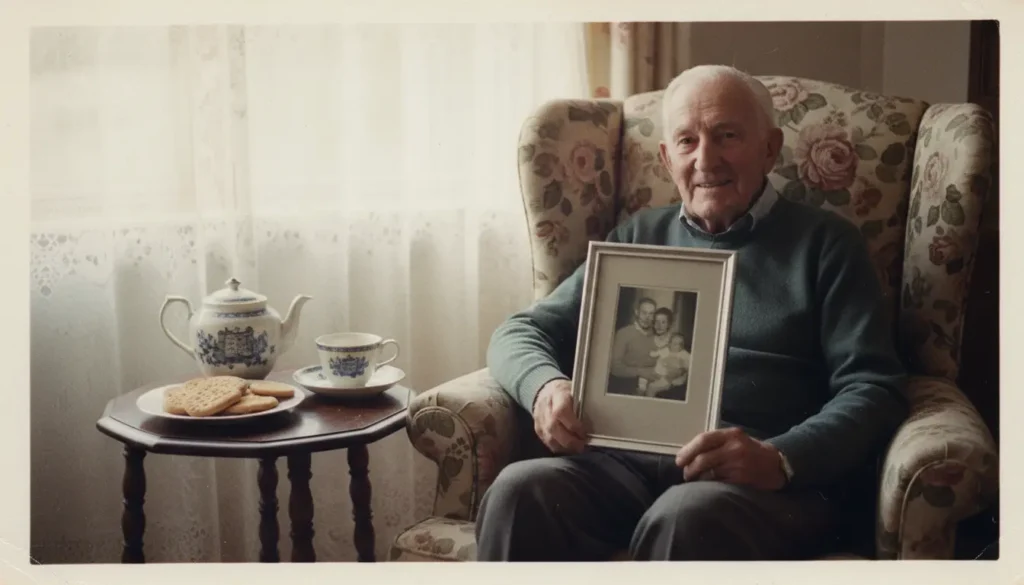
An En-dash Forever Frame displays a single, chosen photograph; calm, still, and present. But quietly and discreetly, waiting behind the glass, is a private vault of photos, videos, written memories, and digital artefacts that are deeply personal to you, and with far more depth than any digital photo frame can offer.
Nothing flashes, loops, or intrudes. Your memories are there when you choose to access them.
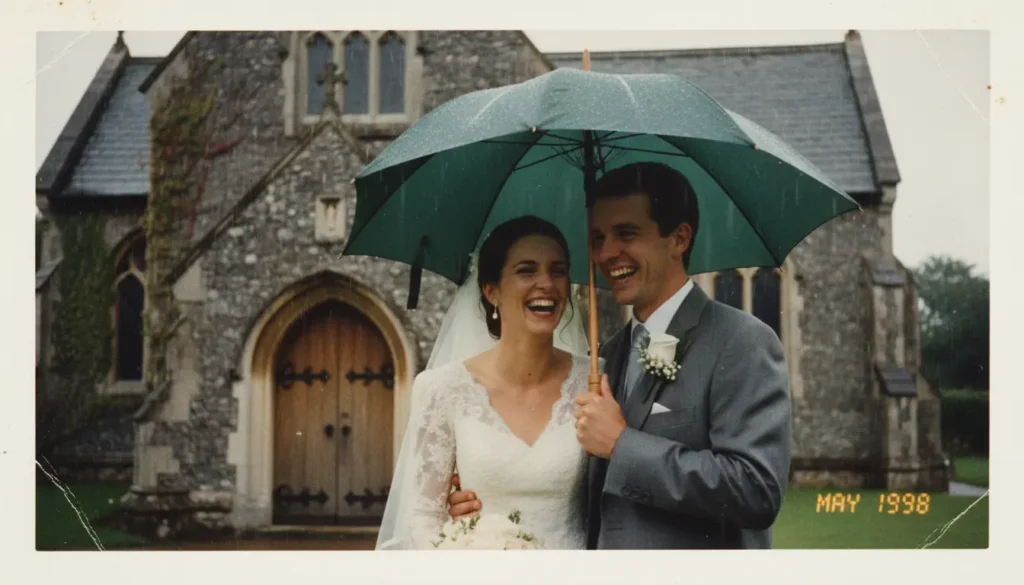
These images and videos need not be perfectly polished, Instagram-worthy photos that are meticulously vetted before posting either. With En-dash, they remain perfectly imperfect and personal, as they are entirely private to you and the people you choose to share them with; if you choose to share them at all.
Think of it as a carefully curated memory scrapbook, or an anti-social-media alternative that allows you to share special moments with family members. You can choose to purchase multiple frames so that you can share memories across the homes of family members, including parents, grandparents, and siblings. Visitors to your home may never know what’s hidden within the frame… or they may be delighted when you decide to reveal it.
Digital photo frames can also unintentionally create the issue of memories becoming ‘overplayed’, in the same way that a song you once initially loved so much eventually grew tired on you, or how the words ‘I love you’ used flippantly can sometimes lose their meaning. Photos and videos of special moments played on repeat can often lose their spark when they simply become a part of the background environment.
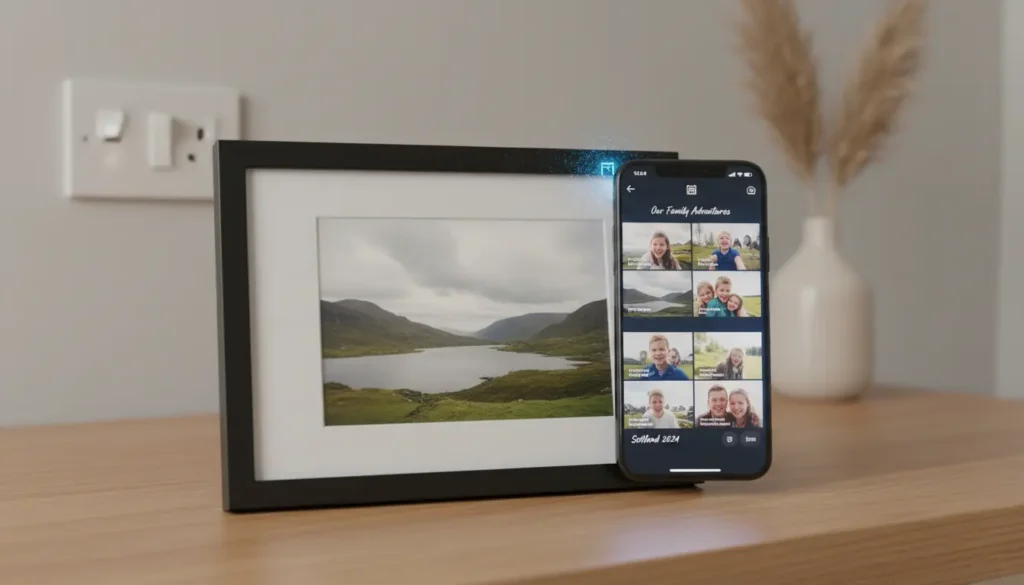
En-dash Forever Frames avoid these issues entirely. They require no power supply, no charging, and no app to manage. They look and behave like a traditional photo frame, which means anyone can use them; removing frustrating technical barriers for people who simply want to preserve their memories in a meaningful way.
And because we don’t rely on expensive digital screens, we can keep the cost accessible. Whether you’re honouring the life of a loved one, capturing fleeting moments of childhood, or preserving a wedding day, En-dash makes it possible for more people to cherish what matters most.
In a world full of noise and movement, creating a quieter, more intentional home isn’t about removing meaning. It’s about preserving our most precious memories in a way that remains accessible yet private, on hand yet unobtrusive, and most of all, designed to remain respectful of the vital human resource that is so often exploited in today’s world: our attention.
So that’s the long answer. We’re happy to leave digital screens where they’re designed to compete for attention; billboards, shopping centres, and bus stops. En-dash Forever Frames are designed for real homes, real people, and real memories; affordable, simple, and respectful enough to give you permission to rest, while still remembering what matters most.

