In our fast-paced world, we often find ourselves caught up in the daily rush, rarely pausing to reflect on the relationships and experiences that have shaped us. Yet research consistently shows that taking time to remember and honour those connections – especially with loved ones who have passed away or those whose stories we wish to preserve – provides profound benefits for our emotional wellbeing, cognitive health, and sense of identity.

Memory isn’t just a passive recollection of past events – it’s an active process that helps us maintain our sense of self and connection to others.
Recalling and sharing stories can improve mental agility and stave off cognitive decline. I am sure that many of us have experienced or at least seen footage of incidents where people living with Alzheimer’s Disease have been transported back in time with a sharpened memory through the sound of a particular song or photograph, often enjoying the peace that comes from recalling and enjoying a moment in time.
According to Haight & Webster (2002), reminiscence can improve:
These benefits are particularly strong when memories are shared socially, enhancing both emotional and cognitive gains. I myself have seen first hand the power of reminiscing with my own Grandmother and Aunty who were struggling physically and mentally during long, gruelling stays in hospital. One evening I decided to bring in some photo albums from their homes, so that we could chat about them together; “who were the people I did not recognise”, “what is going on in this picture” and “you look so happy in this photograph, tell me how you were feeling and what was going on in your life at this point” were all simple questions that led to long, happy and excited conversations. I must add that part of the reason I brought the albums in was because I was unsure how long either of them would be with us and I wanted to learn as much about their lives before they became Aunty and Grandmother to us whilst we still had time together. However, the photographs quickly brought back a literal spark in their eyes and undeniably transported them back to a time when they were younger, more able and happier.
When I left the Hospital on those days, we were all less worried that there may not be a ‘next time’ and more excited about the next hospital visit that would bring more memories with subsequent albums.
Photographs are among the most effective memory triggers.
The Journal of Experimental Psychology (Standing, 1973) found that people remembered 90% of 2,000 pictures days after viewing, compared to only 10% of written words.
The “picture superiority effect” helps explain why photographs can evoke such strong emotional memories. The picture superiority effect is a psychological phenomenon where people are more likely to remember information presented as images rather than as words. In simple terms, pictures are more memorable than text. This effect occurs because images are processed more deeply and encoded more richly in memory. When we see a picture, it engages both our verbal and visual memory systems, whereas words typically engage just the verbal system.
It is wonderful to experience when looking at a photograph, you can often close your eyes and hear the sounds of your surroundings of many years ago, hear the voices of friends and family and smell sea air, barbeques and vinegary chips from long ago. I only have to see a certain picture of my wife sat outside Harry Ramsden’s fish and chips shop in Bournemouth and I can hear the seagulls, smell the batter and feel the happy knot in my stomach as she sat there glowing, four months pregnant with our first son, who consequently we decided to name Harry there and then!
I’m sure there aren’t many first born children named after a fish and chip shop but something in that moment, but something in that moment provided a knowing. A strong feeling of content, excitement and love all wrapped up in an innocuous photo that I am sure would be B roll to any curator documenting a life, but to me is a certain core memory. (photo below)

Memory sharing reduces loneliness and fosters connection.
‘It’s good to talk’ is a phrase embedded in the brains of anyone over the age of 35 today thanks to a certain TV d featuring the fantastic Phil Collins, and there is much truth in those words. Encouraging and allowing our friends and loved ones to share and talk about their memories – especially with those that they made them with, or at least know those involved on a personal level – allows them to talk about events that they are subject matter experts of – themselves! And when someone makes time to be genuinely interested in your memories and the events that have made you, you, of course it helps us to feel seen, loved and cherished, strengthening bonds whether we are friends, relatives or new acquaintances. You only have to listen to a gang of retired GPO workers reminsice about ‘the good old days’ or attend a veterans march to hear, see and feel the warmth and connection generated by people connecting through reminiscing. Photos and video are a simple but superb way to kick start these connections.
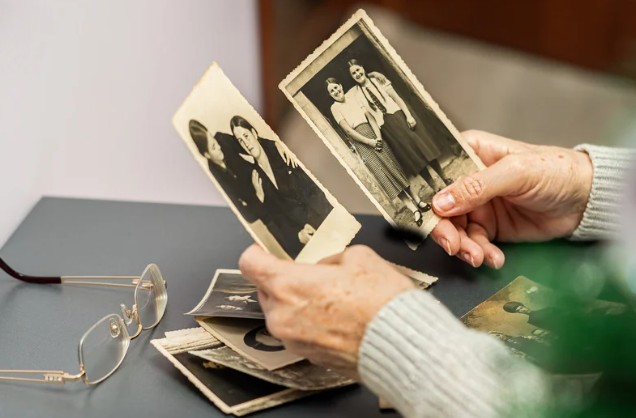
Preserving family stories isn’t just about memory—it’s about identity. A quick Google search reports that there are 3.5 million subscribers to Ancestry.com, showing us that people care about their family history and the stories of the people that came before them.
Emory University research (Duke, Lazarus, & Fivush, 2008) shows that children who know more about their family history are:
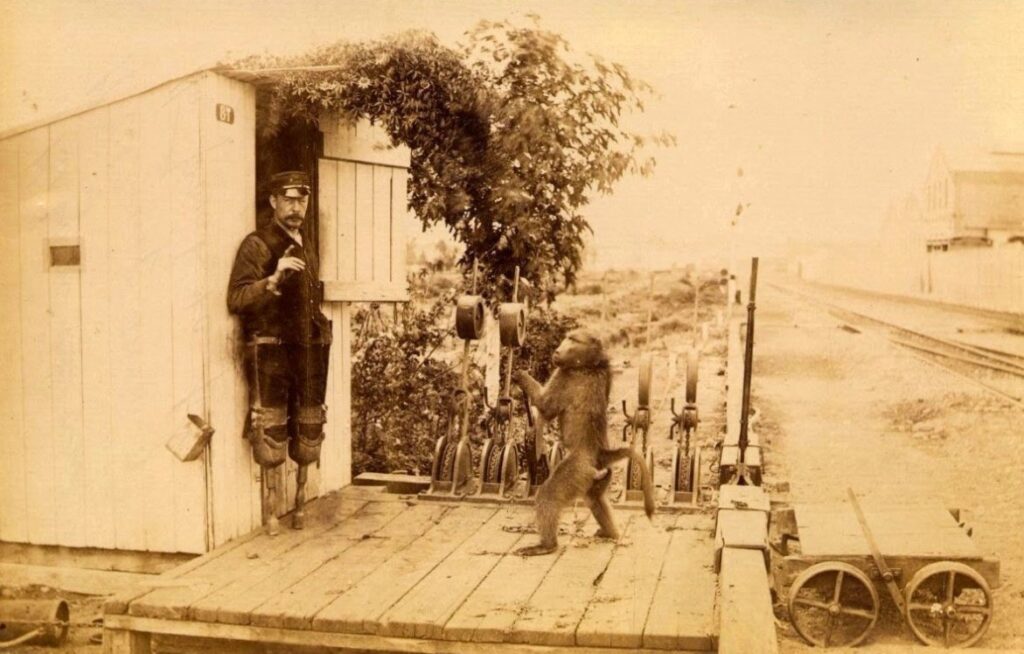
This forms the foundation of “cultural memory,” transmitting values and identity across generations. At En-Dash, we create Memory Boxes for families to share important information and stories about our closest Ancestors, (parents, grandparents and great grand-parents for example) and to ensure they are accessible and engaging for many future generations to come. I for one, was delighted to learn about the life of a James ‘Jumper’ Wide, James had been known for jumping between railcars whilst collecting tickets on the Cape Town–Port Elizabeth Railway service, until an accident where he fell between travelling carts and lost both of his legs below the knee.
Rather than let the accident define the rest of his life, he demonstrated real grit and ingenuity when he purchased a Baboon called ‘Jack’ from a nearby market and trained it to help him operate the signal levers on the railway. James trained Jack so well that he was able to operate the levers independently and following a test by Officers in charge to prove it’s competence, Jack the Baboon actually became a South African Railways employee from 1881 to 1890, recorded as a Signalman.
Now, I never met James ‘Jumper’ Wide of course, but to hear such an inspirational story of a man that fashioned his own legs at a time when prosthetics were not readily available and summoned the guts and determination to find a solution so that he could continue to work, makes me believe that this is a trait that is simply ‘in the genes’ and grit, determination and ingenuity are ‘in the blood’ of the Wide family. It is just a story of course, but the stories that we tell ourselves and share with others, fashion our mindsets and our reality making them all the more important.
Photo source (Jack (bJack (baboon) – Wikipedia)
Healthy remembrance isn’t about dwelling in the past – it’s about using the past to enrich the present.
This is known in psychology as narrative identity: the internal story we tell ourselves that gives our lives meaning and coherence.
By preserving and engaging with memories, we deepen our understanding of ourselves, strengthen our connection with others and build a bridge between generations.
Preserving memories doesn’t require grand gestures. Small, regular practices make a meaningful impact:
In a world focused on the fast and fleeting, remembering what matters most gives us roots and strengthens the bonds we have with the people we love.
Every product and service that we offer are carefully deisgned to help people to:
En – Dash is for people who care to remember what matters most. We believe that every person has a story to tell – we just make it easier to share those stories with the people you care most about.
Visit our website to learn more about how we help people connect, cherish and remember, and please get in touch to discuss any of the topics that may have hit a chord with you in today’s blog. Please email us at hello@en-dash.co.uk